

Real estate has been a lucrative investment option for building wealth for centuries, and some of the world’s wealthiest individuals know this well. Currently, three out of the five wealthiest individuals globally are making distinctive moves within the real estate sector. Their strategies reveal how billionaires view property not just as a place to live, but as a powerful vehicle for generating returns, diversifying holdings, and capitalizing on shifting market dynamics. Let’s examine what each of these titans is doing and what everyday investors can learn from their approaches.
Warren Buffett’s Bet on Housing Market
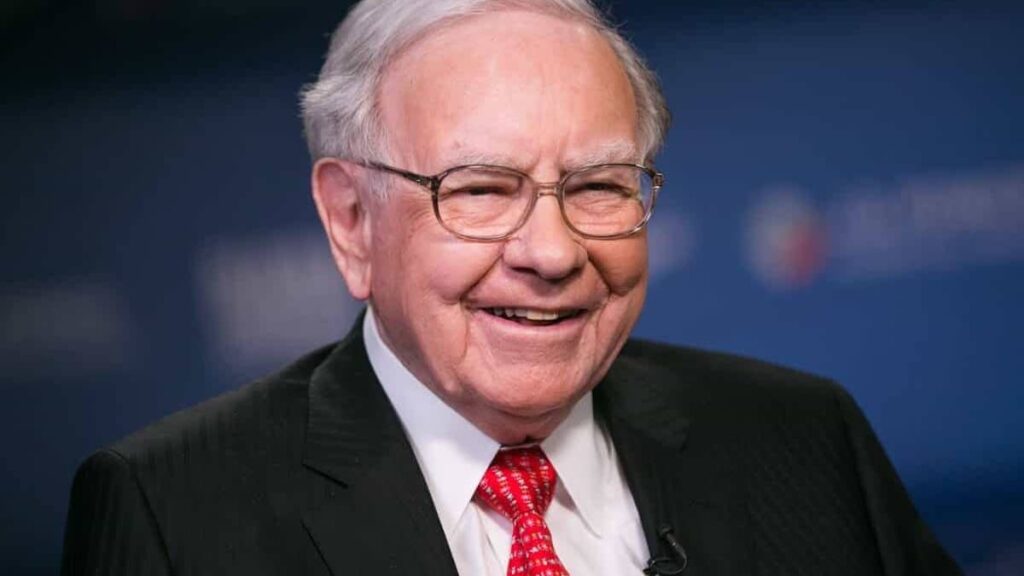
Warren Buffett, the renowned investor, recently invested in Louisiana-Pacific Corp by purchasing 1.25 million shares, indicating his confidence that the housing market has hit its bottom. Berkshire Hathaway’s latest filing with the Securities and Exchange Commission (SEC) reveals a 7% stake in the homebuilding solutions company, valued at $417.1 million. Buffett’s investment suggests that he sees potential growth in the firm as the housing market recovers.
Given Buffett’s successful history of long-term investing, his bet on the housing market is a promising signal for the sector, the overall economy, and individual investors. Moreover, emerging companies present an opportunity for people to enter the real estate market with minimal capital, enabling more individuals to participate.
Buffett’s approach to real estate has always been indirect but strategic. Rather than purchasing properties directly, he invests in companies that benefit from housing market growth, including homebuilders, building materials suppliers, and real estate brokerages. Berkshire Hathaway owns several real estate-adjacent businesses, including Clayton Homes (manufactured housing), Shaw Industries (flooring), and Berkshire Hathaway HomeServices (residential brokerage). This diversified exposure allows Buffett to profit from the broader housing ecosystem without the operational complexity of managing individual properties. For everyday investors, this signals an important lesson: you do not need to own property directly to benefit from real estate market trends. Investing in companies that serve the housing supply chain can provide meaningful exposure with greater liquidity.
Jeff Bezos’ Backed Company for Single-Family Rentals
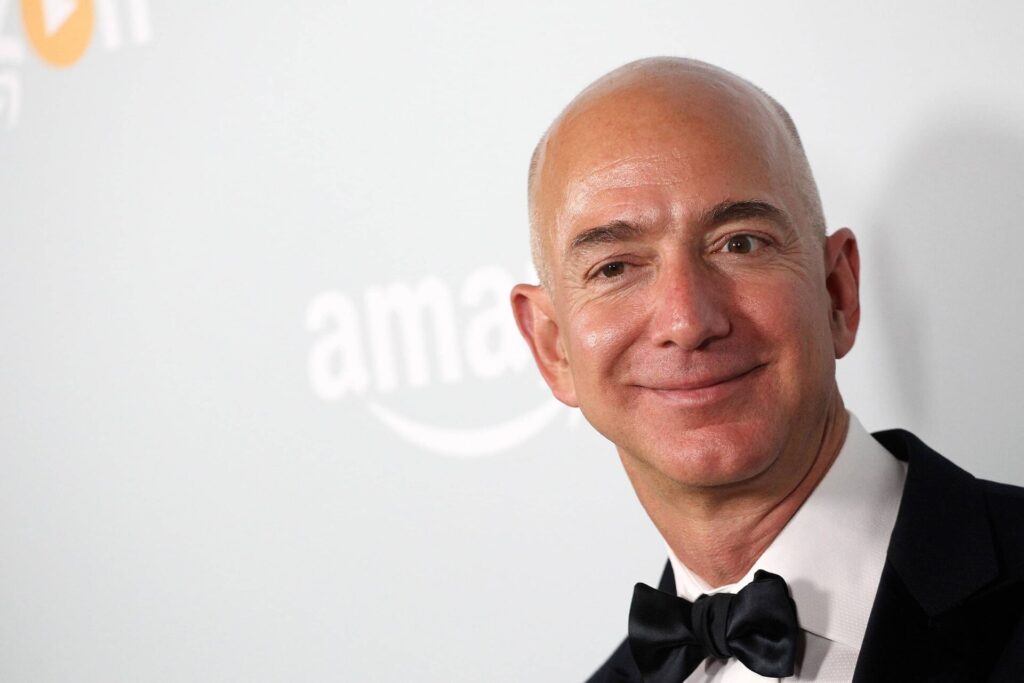
Jeff Bezos, the founder of Amazon.com, is investing in the housing market by supporting a company that offers investors the chance to buy shares of single-family rentals in up-and-coming neighborhoods for as low as $100. The company acquires properties that have the greatest potential for appreciation and displays them online, enabling nonaccredited investors to purchase shares and earn passive income from rent while their shares increase in value.
Bezos’ investment in fractional real estate ownership reflects a broader trend toward democratizing access to property investment. Traditionally, investing in single-family rental homes required substantial capital for down payments, closing costs, and property management. By enabling investors to buy fractional shares, this model removes many of the barriers that have historically kept smaller investors out of the single-family rental market. The platform focuses on neighborhoods with strong job growth, population inflows, and below-average price-to-rent ratios, which are the same fundamentals that institutional investors use when evaluating acquisitions. For individual investors, this approach offers a way to gain geographic diversification across multiple rental markets without the headaches of direct property management.
Elon Musk’s New Income Stream from Real Estate
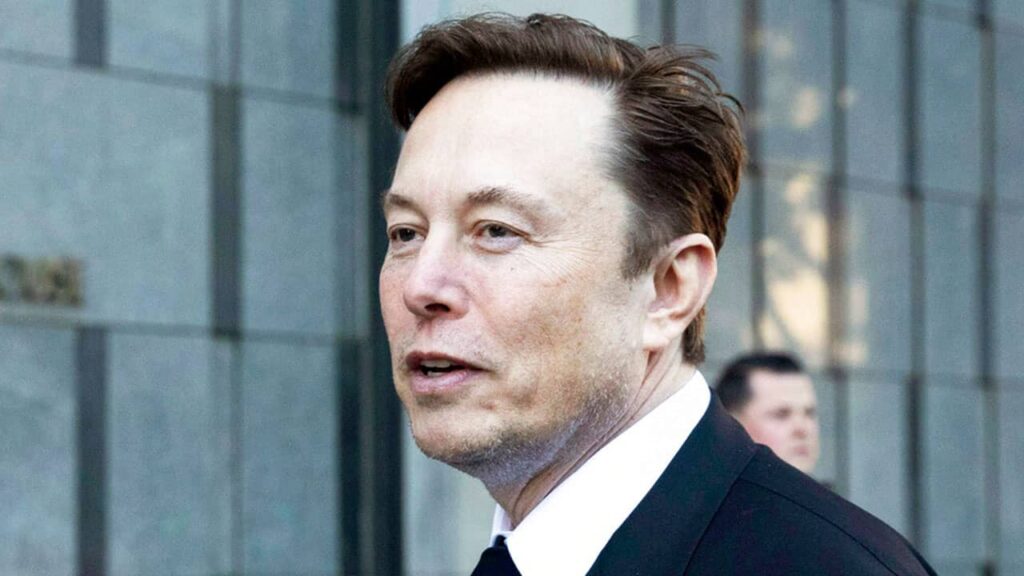
Elon Musk, the CEO of Tesla and SpaceX and the new owner of Twitter, is exploring a new revenue source in the real estate sector. Musk is considering a collaboration with Lennar Corp, a construction company, to establish a residential complex for his employees. The initiative, known as “Project Awesome,” comprises 110 houses in Bastrop County, Texas, near the Boring Company and SpaceX facilities. The housing development has already been authorized for construction and will cater to the increasing demand for accommodation in the region caused by the creation of thousands of jobs by Musk’s companies.
Musk’s real estate play is notable because it ties housing development directly to workforce retention and operational efficiency. By building homes near his company’s facilities, Musk reduces employee commute times, increases worker satisfaction, and creates a captive demand base that virtually guarantees occupancy. This employer-driven housing model is gaining traction among major technology and manufacturing companies that are expanding into regions where housing supply has not kept pace with job growth. For real estate investors, Musk’s strategy highlights an important market signal: areas where major employers are investing heavily in new facilities and infrastructure often experience rapid population growth and rising property values, creating significant opportunities for both residential and commercial real estate investment.
What Everyday Investors Can Learn from Billionaire Real Estate Moves
While most investors cannot replicate the scale of Buffett, Bezos, or Musk, the principles behind their real estate strategies are universally applicable. Buffett teaches us to invest where fundamentals are strong and to think long-term. Bezos demonstrates that technology is lowering the barriers to real estate investment, making it possible for anyone to participate. Musk shows that real estate value is often created where economic activity and job growth are accelerating.
The common thread across all three strategies is conviction in the long-term value of real estate as an asset class. Despite short-term market fluctuations, housing demand is driven by fundamental human needs: shelter, community, and proximity to employment. These billionaires are not speculating on short-term price movements. They are positioning themselves to benefit from structural trends in the housing market that are likely to persist for decades. Whether you invest through stocks, fractional ownership platforms, or direct property acquisitions, aligning your strategy with these long-term fundamentals is the key to building lasting wealth through real estate.
Frequently Asked Questions
Why do billionaires invest in real estate instead of just stocks?
Billionaires invest in real estate because it provides diversification, tax advantages, and a hedge against inflation that stocks alone cannot offer. Real estate generates predictable cash flow through rental income, appreciates over time, and allows investors to use leverage to amplify returns. Additionally, the tax code offers significant benefits for real estate investors, including depreciation deductions, 1031 exchanges, and the ability to defer or eliminate capital gains taxes. For ultra-high-net-worth individuals, real estate also serves as a store of value that is less correlated with stock market volatility, providing stability during economic downturns.
How can small investors follow billionaire real estate strategies?
Small investors can mirror many of the same principles that billionaires use, just at a different scale. You can gain indirect real estate exposure through REITs or stocks of homebuilders and building materials companies, similar to Buffett’s approach. Fractional ownership platforms and real estate crowdfunding sites allow you to invest in individual properties with as little as $100, following the model that Bezos has backed. For those with more capital, investing in rental properties in markets experiencing strong job growth and population inflows reflects Musk’s strategy of following economic activity. The key is to start with what you can afford, focus on markets with strong fundamentals, and commit to a long-term investment horizon.
Is it too late to invest in real estate given current market conditions?
The fact that three of the world’s wealthiest investors are actively deploying capital into real estate-related ventures suggests that the opportunity is far from over. While market conditions evolve, the underlying demand drivers for housing remain strong: population growth, household formation, and a persistent shortage of housing supply in many U.S. markets. Interest rates and pricing fluctuate in cycles, but investors who focus on properties with strong cash flow fundamentals and purchase in markets with favorable supply-demand dynamics can find opportunities in virtually any market environment. As Buffett has often demonstrated, the best time to invest is when others are hesitant, and the best strategy is to focus on long-term value rather than short-term market timing.

